It spills into parks, studios, workshops, concerts, conversations, and community gatherings, all encouraged and supported by the Central Cariboo Arts and Culture Society.
You take a pottery class after work. Your children dance in front of the stage at Performances in the Park. You wander into a weaving demonstration and suddenly decide you want to learn how to spin wool. You meet friends at a concert, stay too late talking, and somehow leave signed up for a workshop you had never planned to take.
That spirit of participation sits at the heart of the Arts Centre, a community-built space where creativity brings people together.
The building’s long-time resident groups make it clear very quickly that art in the Cariboo is not something you simply observe. It’s something you join.
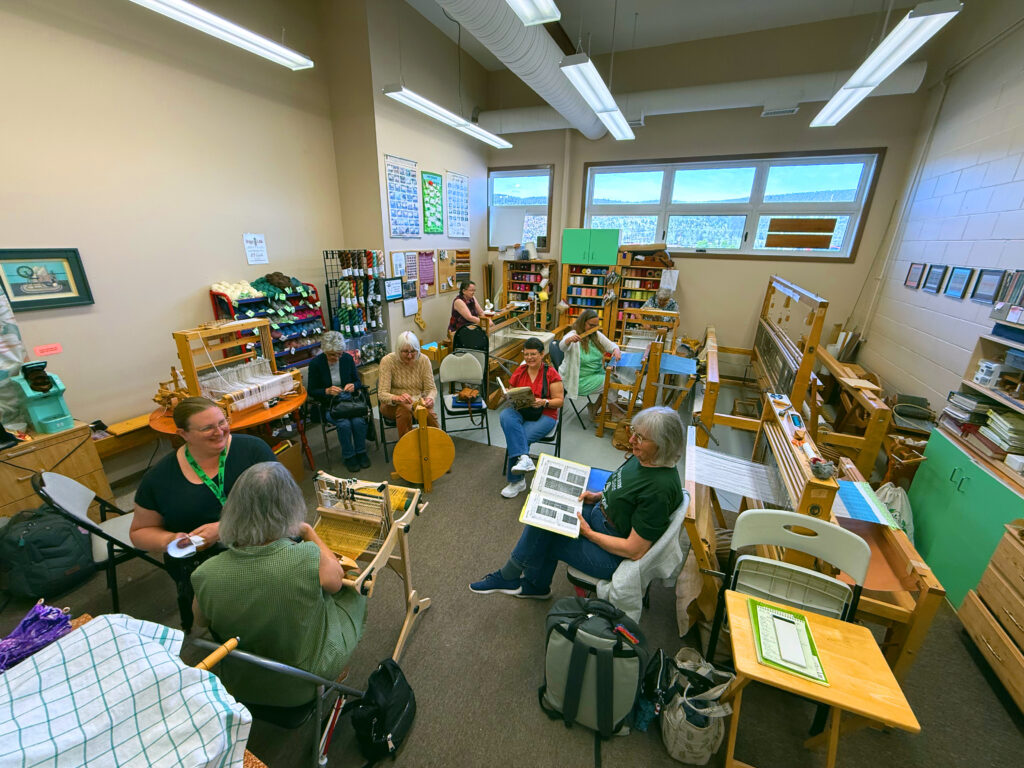
The Williams Lake Fibre Artists’ Guild has been gathering since 1973, although these days the group does far more than spinning and weaving. Members knit, felt, crochet, weave baskets, and create nearly anything involving fibre. Their annual Spin In draws makers from across British Columbia for a day filled with yarn, laughter, shared meals, and enough wool to make a craft store nervous.
The Guild has also helped leave a lasting mark on the community. Members designed, built, and registered the official tartan for the City of Williams Lake’s 75th anniversary in 2004, drawing inspiration from local landscapes and industries. Sometimes one of the most meaningful things you can make is something that says, this place is ours, together.
Another long-time tenant, the Community Arts Council of Williams Lake, has supported local artists and arts groups since 1969 by helping bring performances, exhibitions, workshops, and creative projects to life throughout the year. More recently, the Council partnered with the Station House Gallery and a local community artist to develop art classes designed around the experiences and creative strengths of neurodivergent youth. The program concluded with a public exhibition, giving the wider community a chance to see Williams Lake through the eyes of some of its youngest artists.
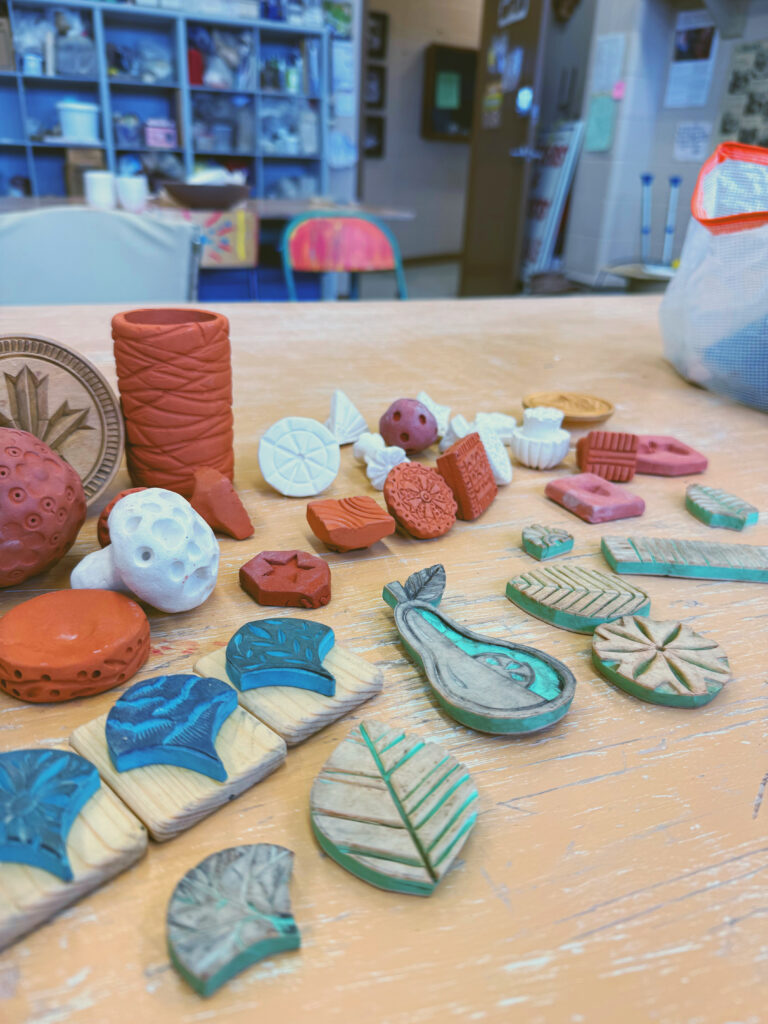
The Cariboo Potters’ Guild has been covered in clay since 1967. Inside their Arts Centre studio, beginners work alongside experienced potters while wheels turn, kilns fire, and mugs, bowls, sculptures, and wildly ambitious projects slowly take shape. The guild offers far more than pottery lessons. It creates a collaborative environment built on mentorship, shared ideas, and the kind of creative connection where tools and coffee are passed around just as freely as advice.
The group has also partnered with the Cariboo Chilcotin Conservation Society on projects that reach beyond the studio walls, including the 2025 Empty Bowls fundraiser. Handmade bowls filled local venues such as The Laughing Loon and The Bean Counter Bistro, helping raise money for local food security initiatives and proving that a handmade bowl can nourish far more than creativity.
This spring, Guild members partnered with the Tŝilhqot’in National Government’s Youth Warriors program to bring youth together through clay, creating salmon-themed art pieces that honoured a species deeply connected to culture, community, and identity. It was a reminder that sometimes art is not simply about what is created, but the stories, relationships, and traditions carried within it.
Then there is the Cariboo Art Society, the oldest art society in Western Canada. Founded in 1947, the group still gathers every Saturday morning, welcoming everyone from lifelong painters to people nervously picking up a brush for the very first time.
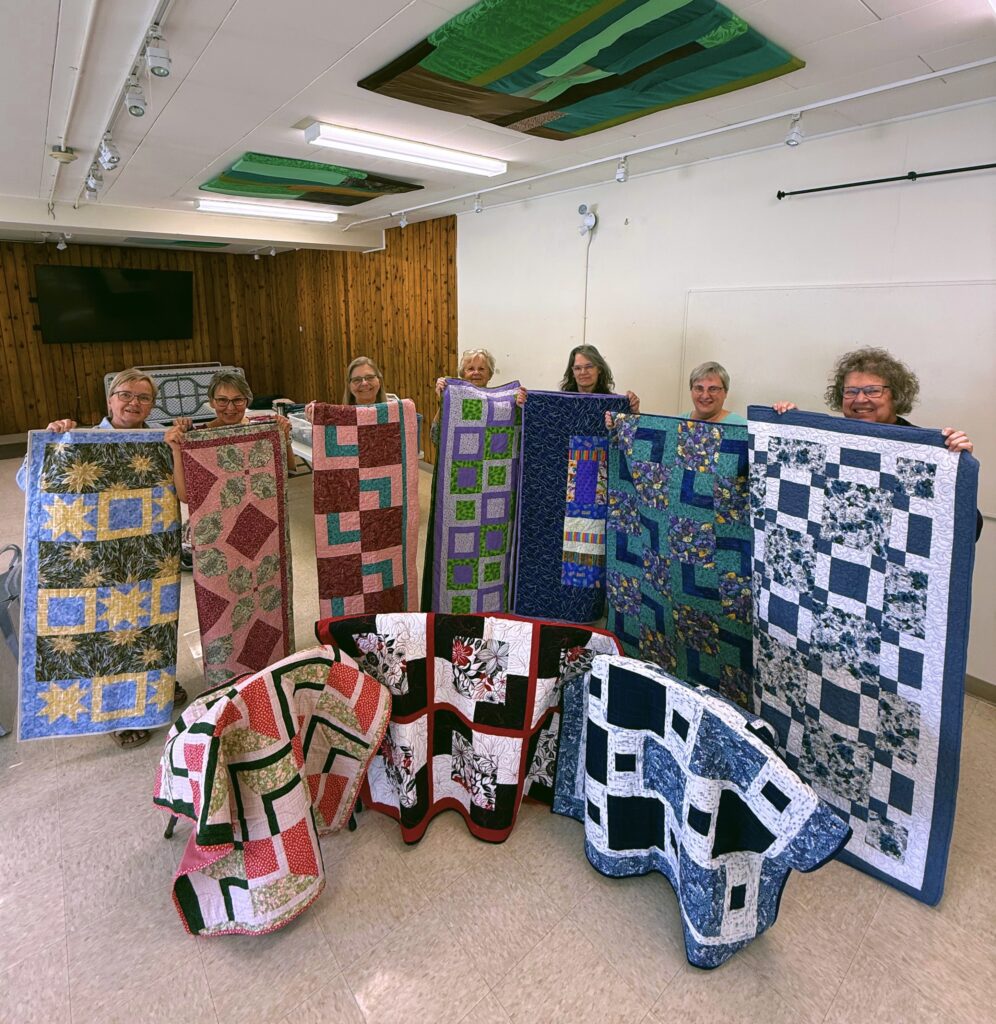
The Arts Centre also opens its doors to a wide range of community groups. The Williams Lake Studio Theatre uses the space for rehearsals, the Cariboo Piecemakers Quilting Club gathers to stitch, share skills, and build friendships, and the Williams Lake Writers group meets to exchange ideas and encourage one another’s work. The building is less a collection of tenants and more a creative crossroads where artists, makers, performers, and storytellers regularly bump into one another.
Since 1985, the Cariboo Piecemakers have demonstrated that creativity can be an act of care. Alongside their own projects, members create quilts for local residents undergoing cancer treatment, donate comfort quilts to the Williams Lake Hospice Society, and work with seniors’ communities on special projects made from the heart. Their stitches connect far more than fabric.
Together, these groups create something larger than classes or studio space.
They create belonging.
The Society itself was formed through support from the Cariboo Regional District Central Cariboo Directors and the City of Williams Lake to strengthen arts and culture across the region. Today, it helps support workshops, performances, festivals, public art, and grants that give local artists and organizations opportunities to experiment, take risks, and grow their reach.
Sometimes that means bringing touring musicians to town. Sometimes it means helping local performers find a stage. Other times, it means taking art beyond gallery walls and placing it somewhere unexpected, along walking trails, in parks, or in everyday public spaces where someone out walking their dog suddenly stumbles across creativity.
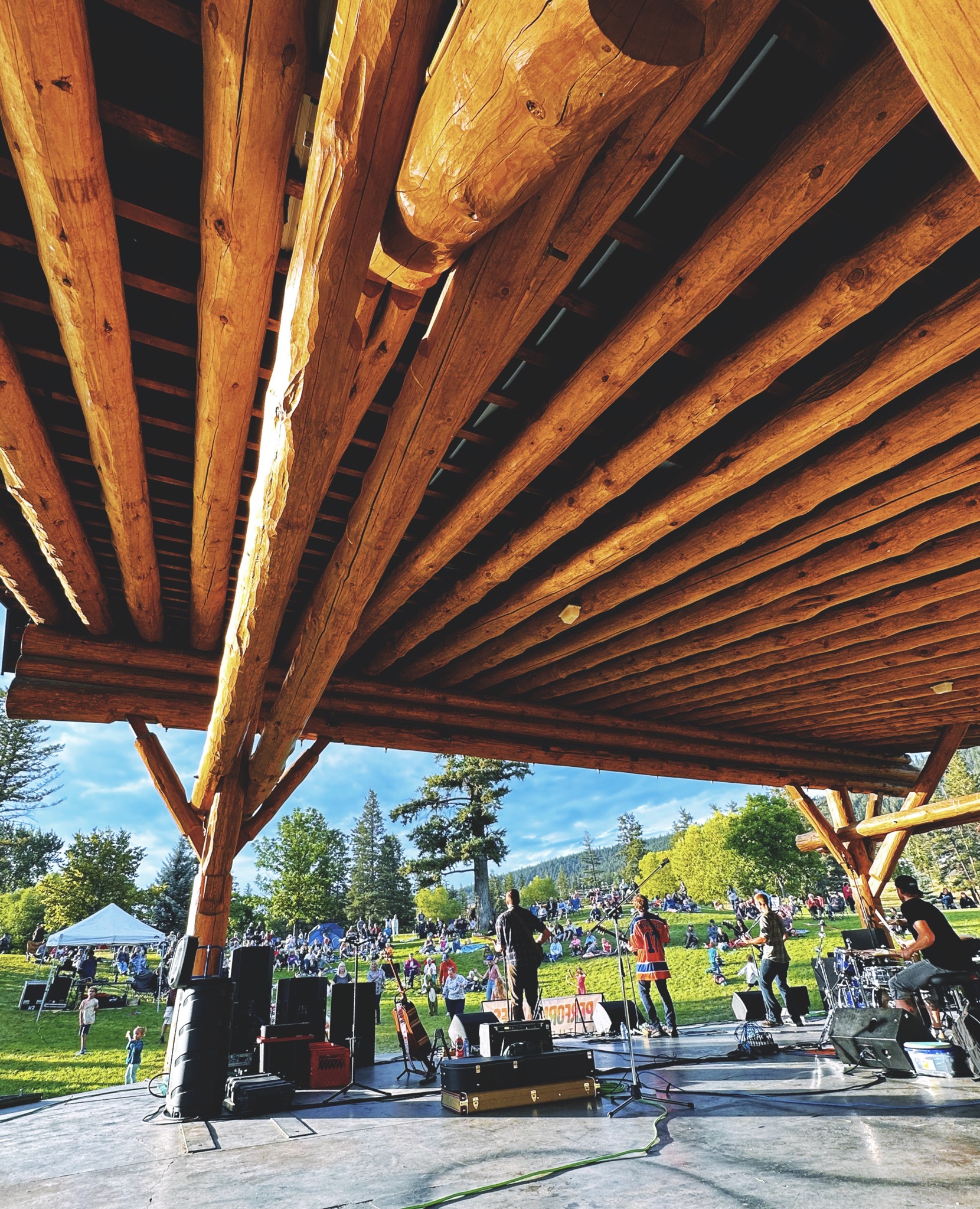
Every summer, that same spirit fills Boitanio Park during Performances in the Park.
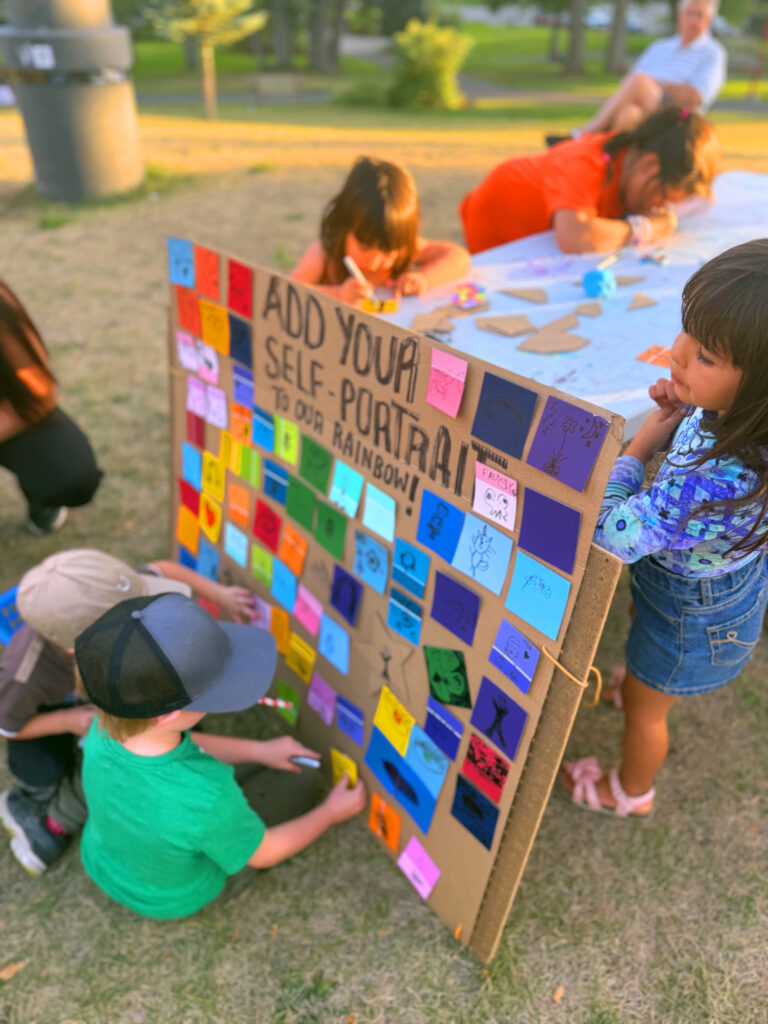
Families spread blankets across the grass. Children dance in front of the stage. Friends catch up over picnic dinners while local musicians and touring performers fill the outdoor theatre with music. Nearby, kids dive into hands-on art activities as the sun slowly disappears behind the trees. It feels less like an organized event and more like a community reunion that happens to come with a soundtrack.
The Arts Centre itself continues to evolve as a flexible gathering place for meetings, workshops, performances, classes, and community events. Demand continues to grow, and conversations about expansion are already underway as more people look for places to create, gather, perform, and connect in the Central Cariboo.
Because around here, arts and culture are not side activities.
They are how people meet.
How communities stay connected.
How strangers become regulars.
Cariboo. It’s true.