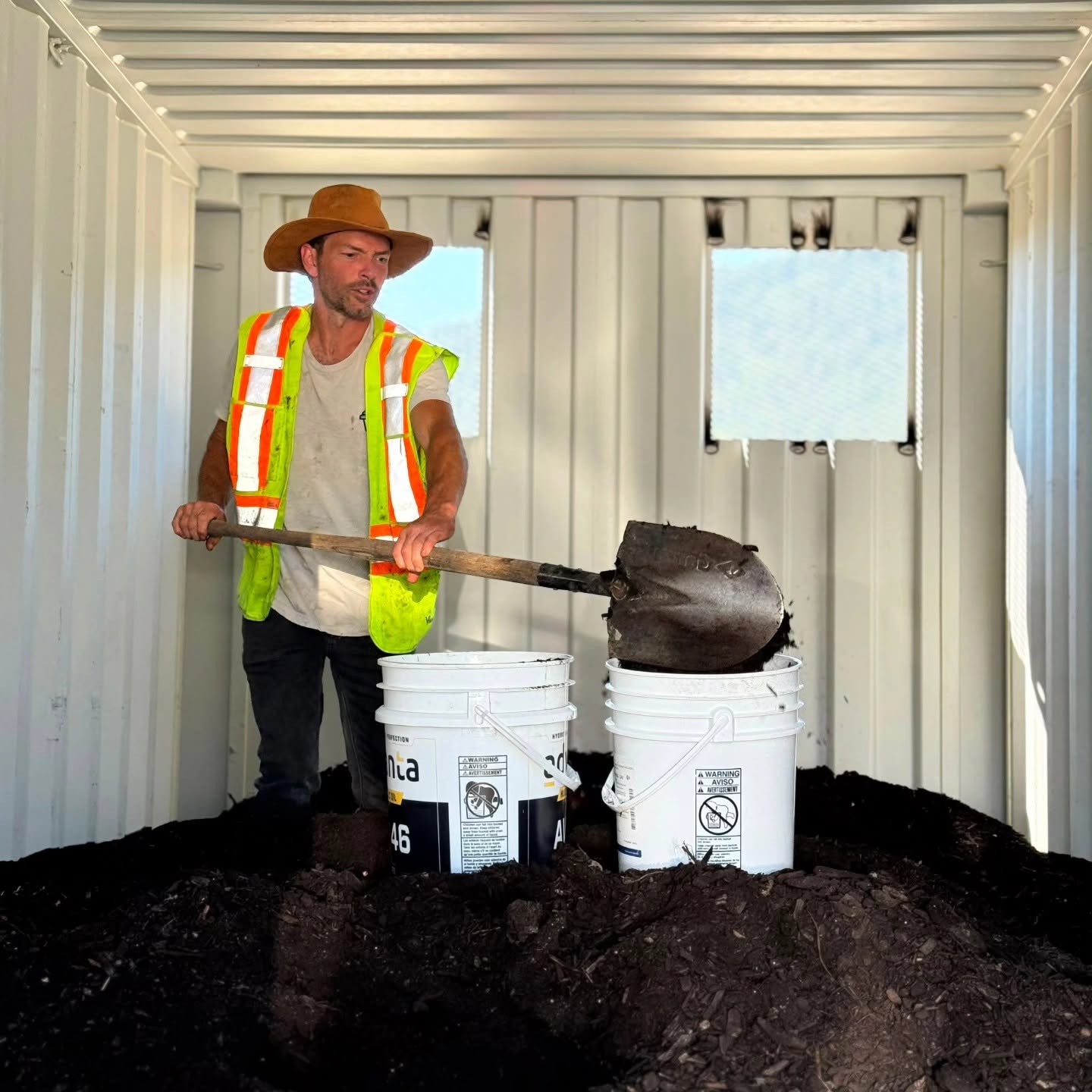
Some people grow up dreaming about hockey, trucks, or leaving town. Oliver was fascinated by garbage.
Not the mess of it. The mystery of it. Where things go. What gets wasted. What could have been used again.
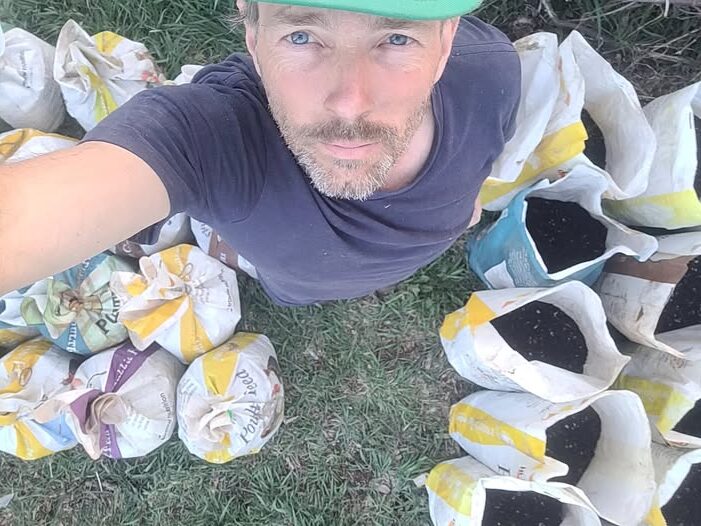
Oliver Berger grew up on Spokin Lake Road, just outside Williams Lake, where his family had ten acres, room to roam, and the kind of space that changes how you think about life. His Swiss immigrant parents found the Cariboo on a road trip back from Alaska. They had a friend in the area, drove in with a VW bus, and stayed for the same reason many people do: freedom. Space. The chance to build a life on your own terms.
As a kid, Oliver rode his trike while his parents gardened. He learned early that what comes from the ground matters — and so does what goes back into it.
He also inherited another lesson from Switzerland. In a country with less space and a strong culture of accountability, waste is something you think about carefully. He remembers watching his grandmother fold a milk carton with precision to make it fit in the garbage. Nothing careless. Nothing wasted. Responsibility was built into everyday life.
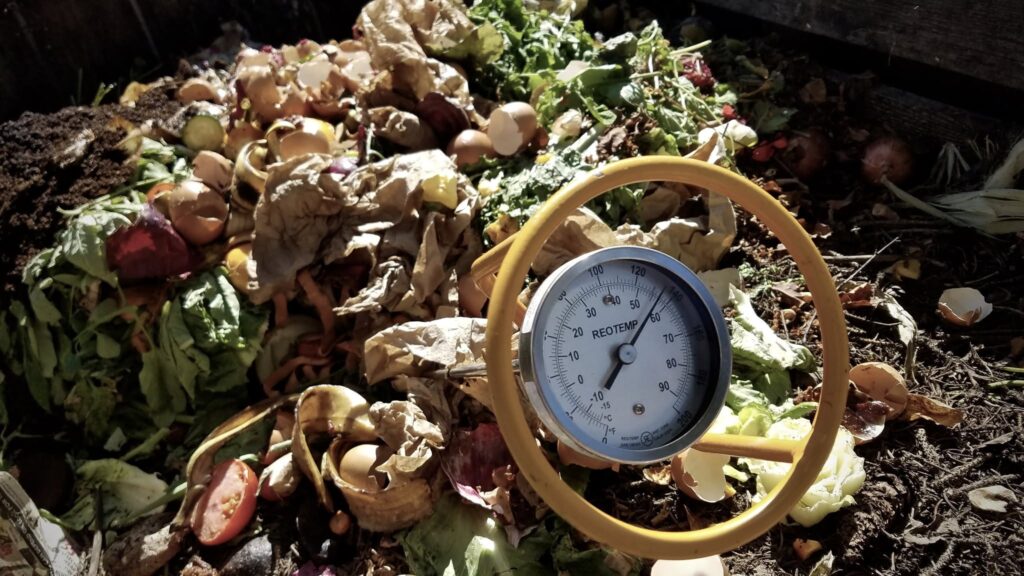
Years later, that thinking found new roots in the Cariboo.
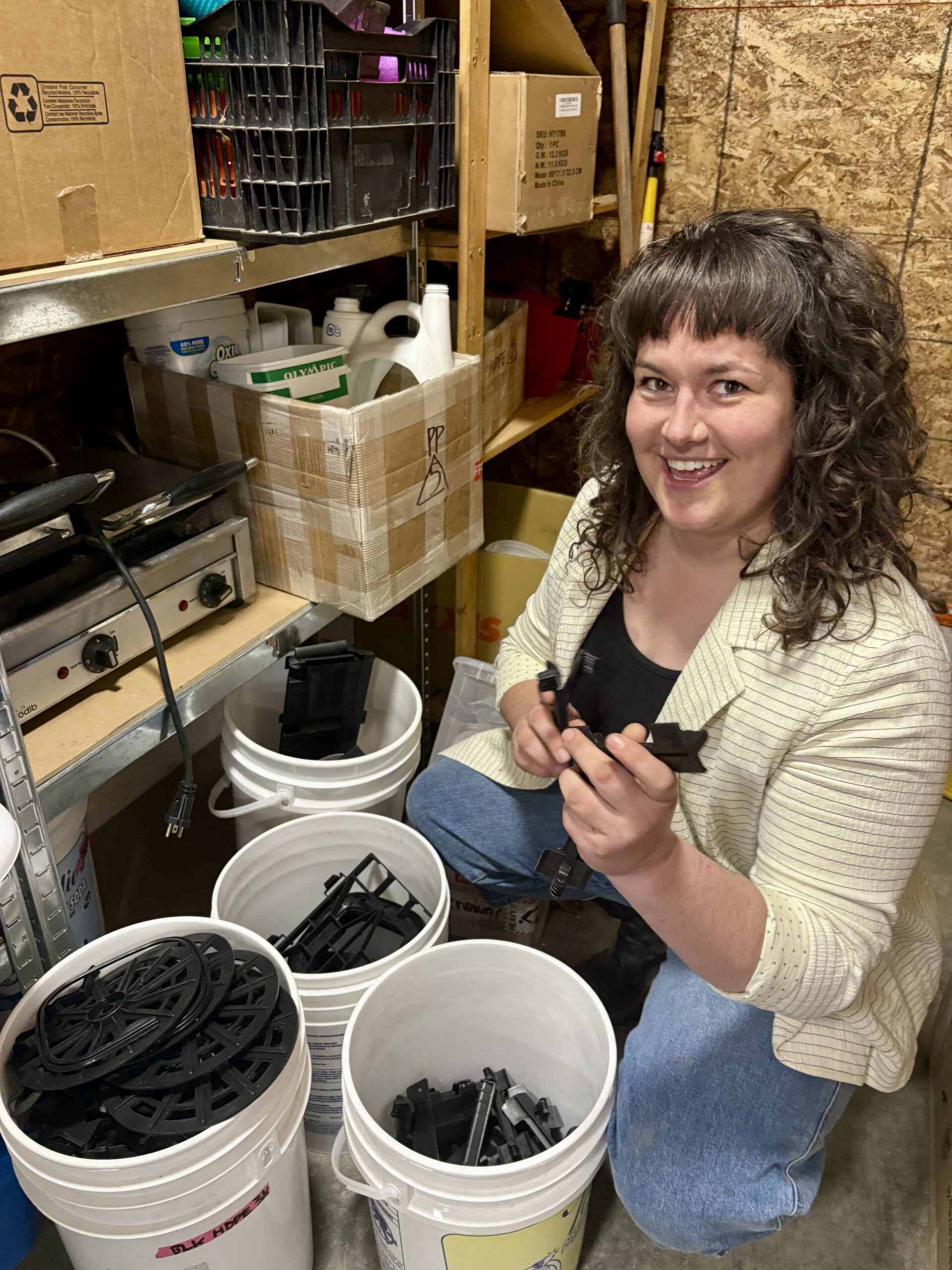
Oliver began working with The Potato House Project, a community garden and compost hub in downtown Williams Lake. It was a place built on reuse, donations, volunteer effort, and making things work with what you have. On a shoestring budget, people grew food, shared skills, and dropped compost into alley bins out back. Oliver coordinated the compost program there — and in many ways, it brought him back to his rural roots.
He also found another path through the Cariboo Chilcotin Conservation Society, where environmental education, hands-on community projects, and practical solutions helped deepen his skills and expand his network. Through that work, he saw how local action can create real change — in schools, at events, and across communities. It was another place to learn, contribute, and grow.
Then he built something of his own.
Cariboo Compost offers curbside pickup for households, plus collection for offices and restaurants. The idea is simple: if you want people to do the right thing, make it easy. Swap the bucket. Pick it up. Keep food waste out of the landfill. Turn it into something useful.
And in a small community, good ideas travel fast.
Word of mouth matters here. Service matters here. Partnerships matter here. Oliver learned from local farmers, worked with like-minded people, and found support from organizations including the Cariboo Regional District. In the Cariboo, people still help neighbours. They still want to see each other succeed.
Today, Oliver continues his work with the Cariboo Chilcotin Conservation Society, helping with waste education at schools and community events while growing his own business at the same time. It is work he believes in — and the kind of work he can build a life around.
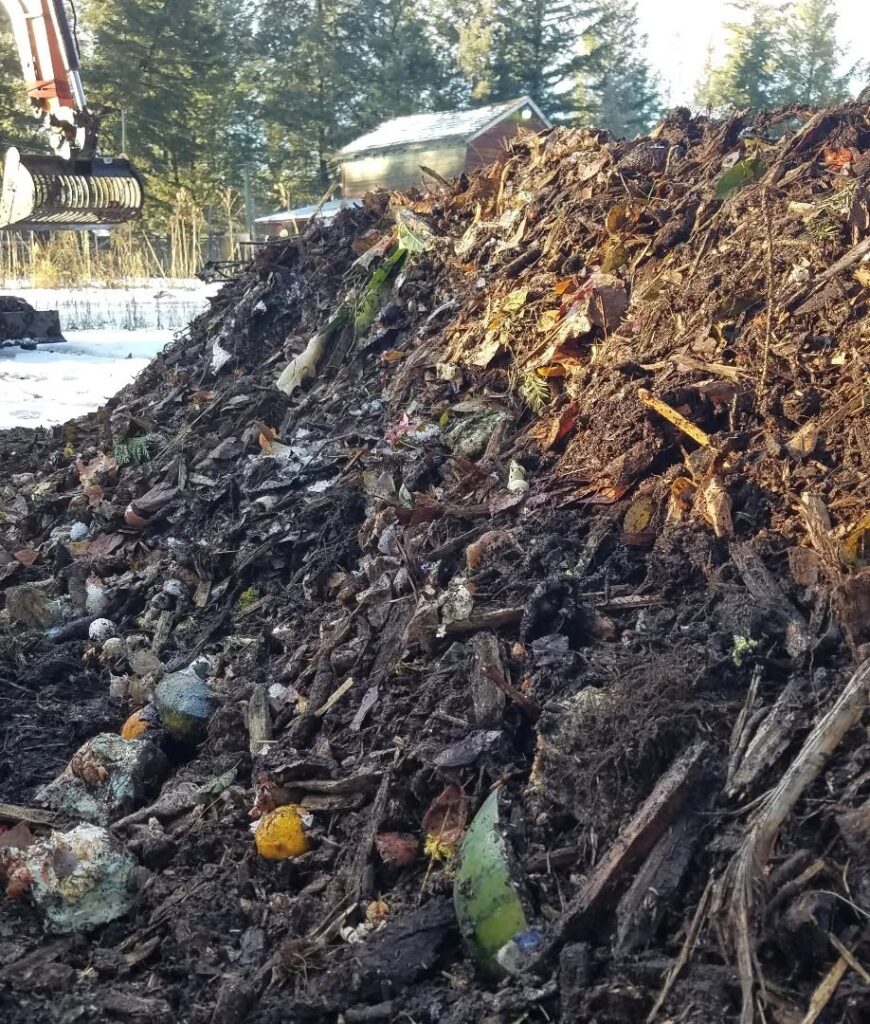
He owns a home. He is raising a family. He has flexibility. He gets to do something meaningful without working himself to the bone.
That is part of this story too.
Because success in the Cariboo is not always about going bigger, faster, or farther. Sometimes it looks like a useful business, a good home, time with your family, and work that matches your values.
Oliver puts it best:
“I can take your Guatemalan banana peel and make something bigger and better — soil to grow vegetables locally. Right here in our community.”
Oliver Berger
In the Cariboo, even the scraps can build something good.
Cariboo. It’s true.