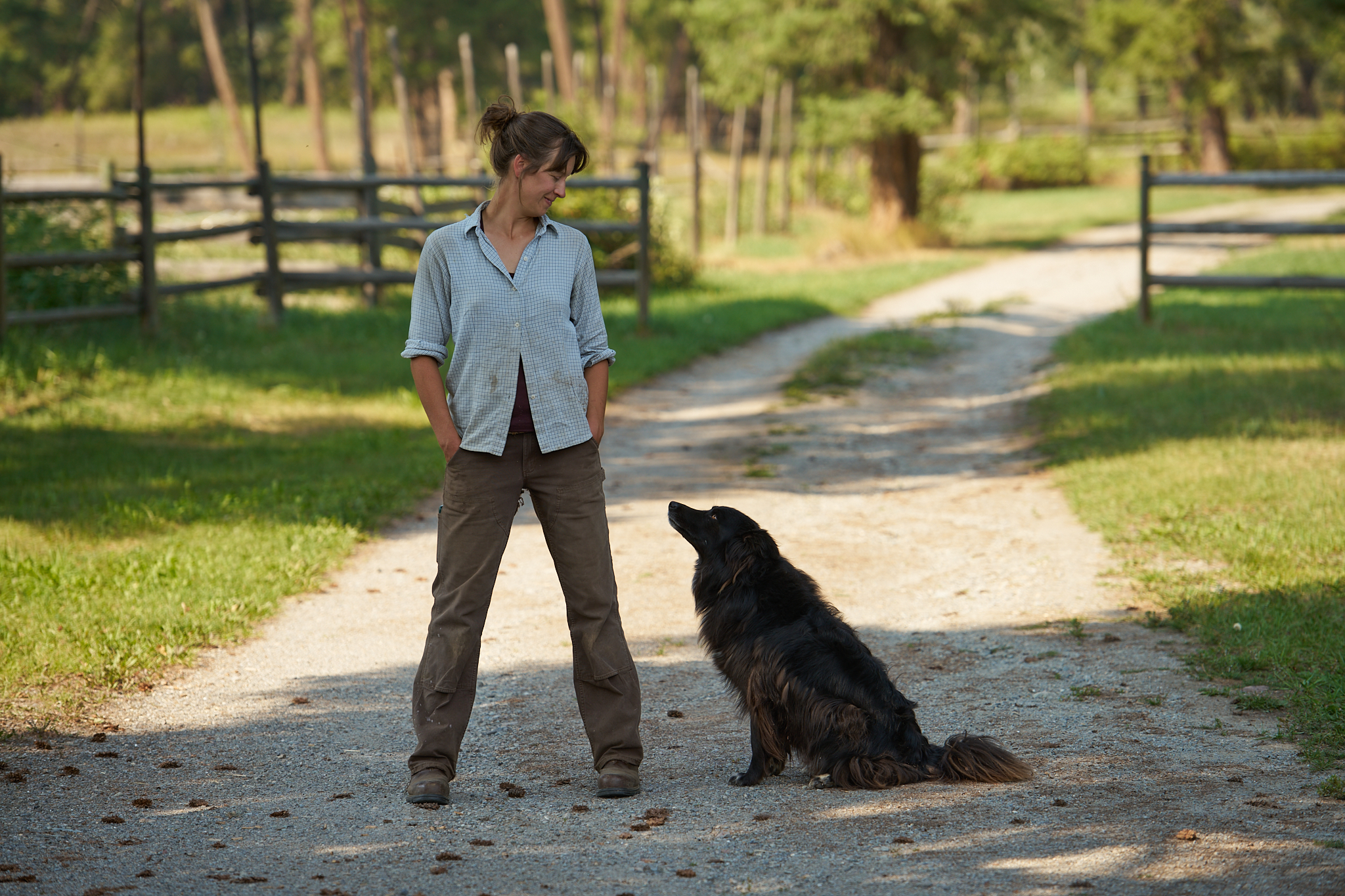
Brianna arrived in the Cariboo in 2011 having never been here before. She was living on Vancouver Island, fresh out of university, and headed north for a short-term gig in Bella Coola. She’d never gardened in her life. Farming wasn’t a plan — it was an experiment.
Then something clicked.
Volunteering on a small market garden that summer, Brianna remembers a distinct moment of thinking, this feels right. The landscape. The pace. The people. When a former professor sent her a temporary summer job posting with the Cariboo Regional District, she applied — and suddenly found herself in Williams Lake, surrounded by growers, farmers, and people who were generous with their time, knowledge, and encouragement.
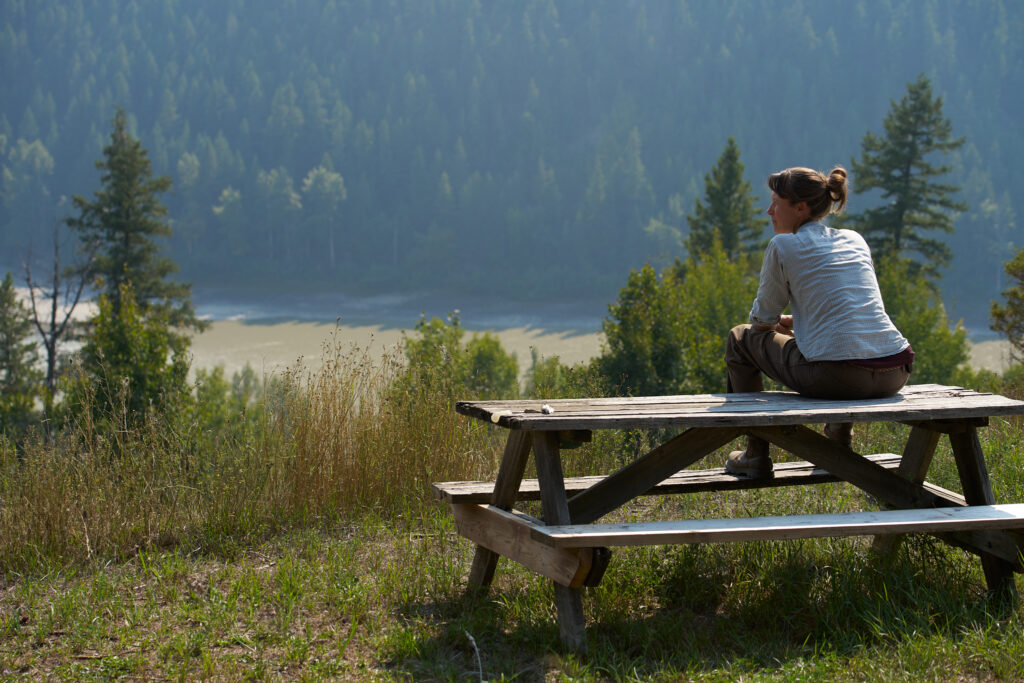
She planned to stay for the summer. Instead, she found community.
“I met more people — more easygoing, supportive people — in eight weeks here than I had in twenty years living in Victoria, I felt like I belonged.”
Brianna
That sense of belonging mattered. So did the space to try things. After her contract ended, Brianna returned to Victoria — but she couldn’t shake the idea of starting a farm. For the next year and a half, it became an obsession.
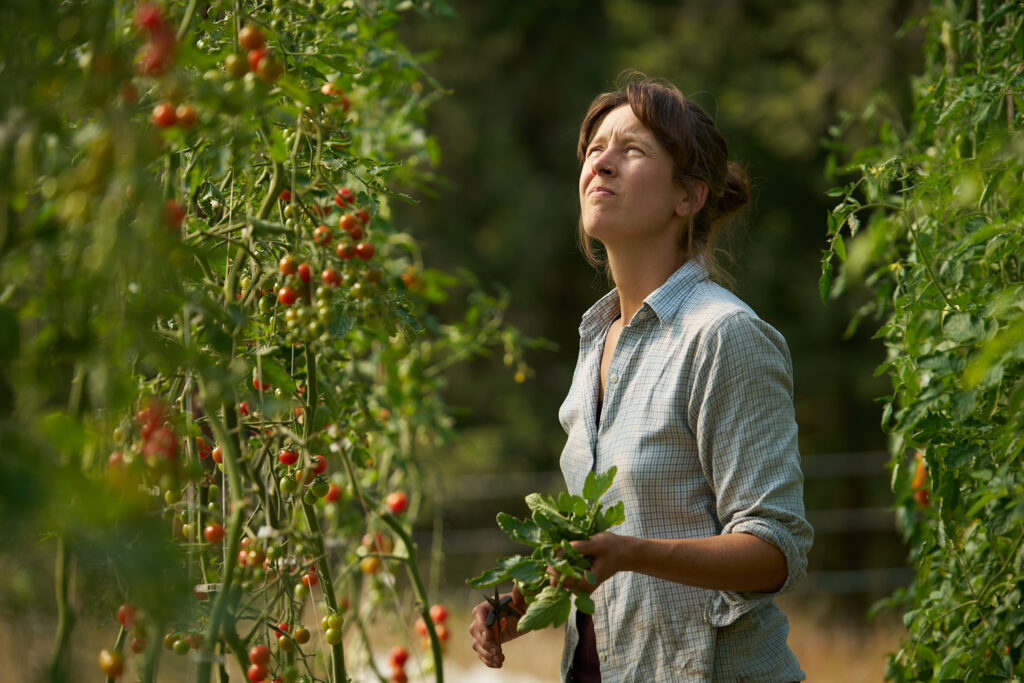
Her first farming venture wasn’t rural. It was urban.
Brianna launched an urban market-gardening business, leasing unused yards around town and turning grass into food. Armed with a business plan, a borrowed rototiller, and a bike hauling a cargo trailer full of produce, she grew greens and root crops across multiple plots — learning everything as she went. She sold at the farmers market. She biked between gardens. She made mistakes. She figured things out.
It didn’t make money at first — but it gave her something more valuable: experience.
“That time let me learn, research, and really understand what farming meant, I always tell people who want to farm — go work on farms first.”
Brianna
Eventually, Brianna knew she wanted more space — and one place to grow. A long-term lease opportunity at Soda Creek gave her exactly that: room to expand, room to learn, and room to build something viable. She scaled up from 6,000 square feet to over an acre, learning rural life from the ground up. Infrastructure. Greenhouses. Wash stations. Firewood. Snowplowing. Fixing equipment. Troubleshooting everything.
“It makes you feel capable, Especially as a woman. Learning those skills matters.”
Brianna
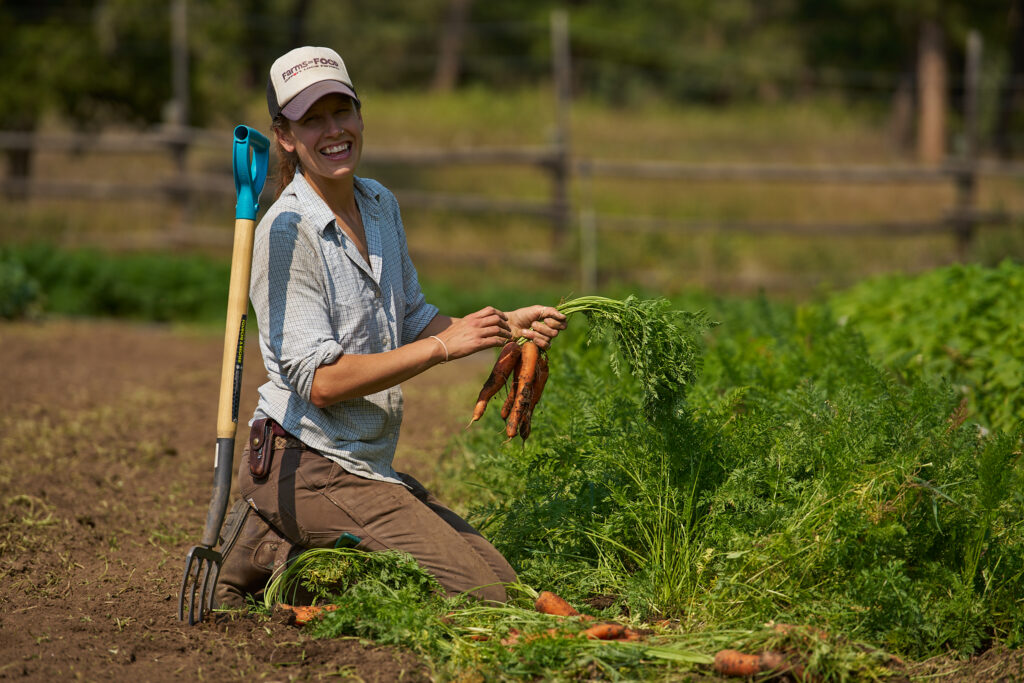
Today, Brianna runs one of the region’s largest vegetable operations, selling through multiple farmers markets, a growing box program, and local retail partners. Demand keeps climbing — sales are up year after year — and she’s clear-eyed about why.
“There are more people who care about where their food comes from, They’re buying local. They’re buying in season. And they’re realizing the quality is better — and the price difference isn’t what it used to be.”
Brianna
She’s now thinking beyond her own fields, exploring collaborative models that would allow small producers — meat, dairy, bakery, flowers — to reach customers more easily through aggregation and shared sales. Not growing more for the sake of it, but growing smarter. Strengthening the local food system together.
Farming here isn’t easy. The climate is challenging. The soil isn’t classified as prime agricultural land. Labour can be hard to find. But the opportunity is real — and the community support is constant.
“I’ve never had to push what we’re doing, People here want local food to succeed. That makes all the difference.”
Brianna
For Brianna, the Cariboo isn’t just where her farm is. It’s where she had the time, support, and space to learn — and to build something that matters.
Cariboo. It’s true.